
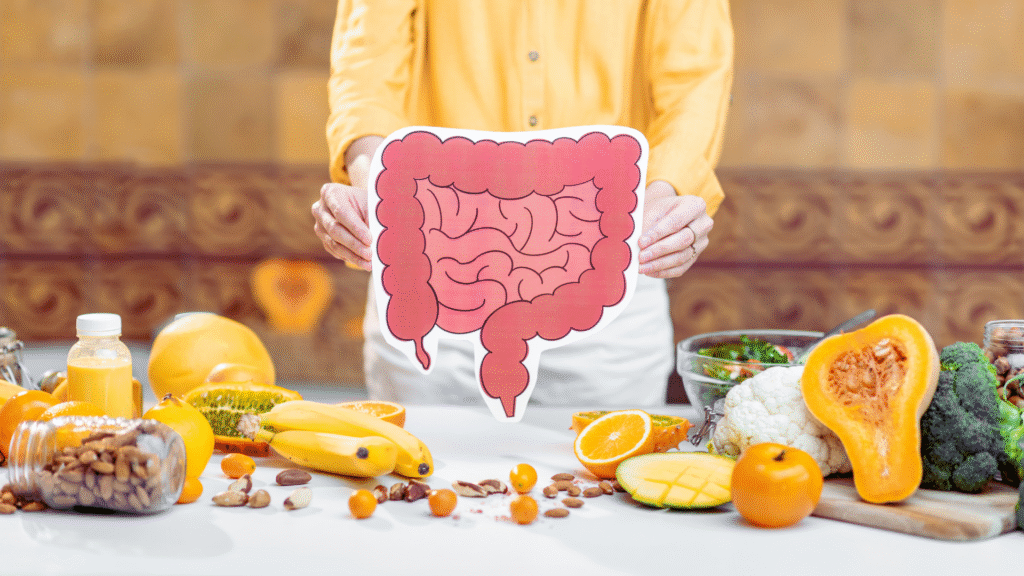
Gut health is a crucial aspect of overall wellness that often goes overlooked. A balanced gut microbiome supports digestive function, boosts the immune system, and influences mental health. Understanding the connection between gut health and wellness can empower individuals to make informed lifestyle choices.
The digestive system plays a significant role beyond processing food. It houses trillions of bacteria that can affect everything from nutrient absorption to mood regulation. By maintaining gut health, one can enhance various aspects of well-being and potentially mitigate chronic health issues.
Interest in gut health has surged in recent years, with scientific studies revealing its far-reaching impact on bodily functions. Individuals are increasingly recognizing that what happens in the gut can affect their overall health, prompting many to explore ways to promote a healthy microbiome.
Connecting Gut Health and Overall Wellness
Gut health plays a crucial role in influencing various aspects of overall wellness. The interrelationship between gut function, the gut microbiome, and the body’s metabolic processes is significant and warrants attention for maintaining health.
How the Gut Impacts Overall Health
The digestive system functions as a critical player in overall health. It not only processes food but also absorbs nutrients essential for bodily functions. A balanced gut ensures the effective absorption of vitamins, minerals, and other nutrients that support immune health and energy levels.
Imbalances in gut health can lead to digestive issues such as bloating, constipation, or diarrhea. These conditions can affect daily life and may indicate a larger problem within the body. Maintaining a healthy gut enhances nutrient absorption and promotes better energy and vitality.
Understanding the Gut Microbiome
The gut microbiome comprises a diverse community of microorganisms, including beneficial and harmful bacteria. This complex ecosystem plays a pivotal role in digestion, immunity, and even mental health. A healthy microbiome supports the growth of beneficial bacteria, which help break down food, synthesize vitamins, and fend off diseases.
When the microbiome is disrupted, harmful bacteria can flourish. This imbalance may contribute to chronic diseases, inflammation, and metabolic complications. Regular consumption of probiotics, fiber-rich foods, and prebiotics can promote a well-balanced gut microbiome essential for optimal health.
Role of Gut Health in Chronic Diseases
Research links poor gut health to several chronic diseases, such as obesity, diabetes, and autoimmune disorders. An imbalance in gut microbiota can lead to systemic inflammation, which is often a precursor to these conditions. The intestinal barrier’s integrity is vital in preventing harmful substances from entering the bloodstream.
Individuals with chronic diseases often experience gut-related issues. Addressing these gut problems can aid in managing symptoms and improving overall wellness. For effective disease management, healthcare providers increasingly emphasize assessing and promoting gut health.
Gut Health and Metabolic Function
Metabolism relies heavily on gut health. The microbiota in the digestive system influences how the body processes food and responds to insulin. A well-balanced gut microbiome can enhance metabolic rates and improve fat storage mechanisms.
Conversely, dysbiosis may lead to metabolic diseases like insulin resistance and Type 2 diabetes. Certain diets high in fiber and low in processed foods can support gut bacteria and enhance metabolic function. Fostering gut health could play a significant role in preventing metabolic disorders and promoting lasting wellness.
Key Functions of a Healthy Gut
A healthy gut plays several crucial roles in maintaining wellness. It aids in digestion and nutrient absorption, interacts with the immune system, and influences mental health through the gut-brain axis.
Digestion and Nutrient Absorption
The gut is essential for breaking down food and absorbing nutrients. Specifically, the small intestine is where most digestion occurs. Enzymes and bile facilitate the breakdown of carbohydrates, proteins, and fats, enabling the body to extract vital nutrients.
Efficient nutrient absorption leads to better energy levels and overall health. For instance, minerals like calcium and iron, as well as vitamins, are taken up in this organ. Poor digestive health can result in issues such as bloating and irritable bowel syndrome (IBS), which impede nutrient uptake.
Gut-Immune System Interaction
The gut is home to a significant portion of the body’s immune system. Approximately 70% of immune cells are found in the gut-associated lymphoid tissue (GALT). This relationship is pivotal for recognizing harmful pathogens and supporting immune function.
A balanced gut microbiome helps to produce antibodies and regulate immune responses. Dysfunction in this system may lead to increased susceptibility to infections or inflammatory issues. For example, imbalances may result in conditions like food intolerances or sensitivities.
Gut-Brain Axis and Mental Health
The gut-brain axis refers to the communication network linking the gut and the brain. This connection influences mental health, as the gut produces about 90% of the body’s serotonin, a neurotransmitter that regulates mood.
Research suggests that an unhealthy gut can contribute to mental health issues, including depression and anxiety. Symptoms such as digestive distress may exacerbate these conditions. A diverse gut microbiome is linked to better emotional well-being and can support improved mental health outcomes.
Nutritional and Lifestyle Factors Influencing Gut Health
Gut health is influenced by various nutritional and lifestyle factors. Understanding how specific dietary choices and habits impact the gut microbiome can guide individuals towards better health and wellness.
Dietary Patterns and Microbiome Composition
The composition of the gut microbiome is shaped significantly by dietary patterns. A diverse diet rich in fruits, vegetables, whole grains, nuts, seeds, and legumes promotes a healthy microbiome.
These food groups provide the necessary nutrients and fiber that feed beneficial gut bacteria. For instance, sources of lean protein and fish also contribute to this diversity, impacting the microbial environment positively.
Restricted diets, particularly those low in diversity or high in processed foods, can lead to an imbalance. Research indicates that such imbalances may increase the risk of various health issues, including digestive disorders.
The Importance of Fiber, Prebiotics, and Probiotics
Fiber plays a crucial role in gut health as it serves as a substrate for fermentation by gut bacteria. Foods high in fiber, such as whole grains and leafy greens like spinach, can foster the production of short-chain fatty acids (SCFAs), which have anti-inflammatory properties.
Prebiotics, found in foods like garlic, onions, and bananas, stimulate the growth of beneficial bacteria.
On the other hand, probiotics, often found in fermented foods such as yogurt, kimchi, and sauerkraut, introduce beneficial microbes into the gut. Both prebiotics and probiotics work synergistically to enhance gut health, support digestion, and boost immunity.
Impact of Sugar, Fats, and Protein
Excessive sugar consumption is detrimental to gut health. High sugar levels can lead to dysbiosis, where harmful bacteria thrive over beneficial ones. This imbalance may increase inflammation and contribute to obesity and other metabolic disorders.
Fats also have varying impacts; while some fats, like those found in nuts and fish, are beneficial, trans and saturated fats can negatively affect gut microbiome composition.
Protein quality matters as well; opting for lean sources supports gut health better than processed meats. A balanced intake of these macronutrients can help maintain a thriving microbiome.
Lifestyle Habits: Exercise and Sleep
Regular exercise is crucial for a healthy gut. Physical activity enhances intestinal function and influences the diversity of the gut microbiome.
Engaging in moderate exercise can lead to beneficial changes in bacterial composition, positively affecting metabolism and digestion.
In addition, sufficient, quality sleep is essential. Poor sleep patterns can disrupt gut health and hormone levels, which can lead to increased cravings for unhealthy foods.
Prioritizing both exercise and sleep helps foster a balanced gut microbiome, contributing to overall wellness.
Gut Health, Disease Risk, and Management
The gut microbiome plays a crucial role in influencing inflammation and metabolic health. Its balance can significantly affect disease risk and management strategies for various conditions.
Gut Microbiome and Inflammation
The gut microbiome consists of trillions of microorganisms that can influence systemic inflammation. Dysbiosis, the imbalance of gut bacteria, can lead to increased inflammation, contributing to chronic diseases. Pro-inflammatory cytokines may rise in response to an unhealthy microbiome, impacting heart health and potentially leading to heart disease.
Since the gut interacts with the immune system, a healthier microbiome can enhance immune responses, reducing inflammation. A diet rich in fiber, fermented foods, and probiotics can help support a balanced microbiome and may lower inflammation.
Metabolic Disorders and Obesity
An imbalanced gut microbiome can impact metabolic health, increasing the risk of metabolic disorders like obesity and diabetes. Research indicates that specific bacterial strains in the gut can affect blood sugar levels and fat storage.
When lifestyle changes and diet adjustments are not enough to manage severe weight issues, medical interventions become necessary. For many individuals with extreme obesity, surgical options provide a path to long-term health improvement. Procedures like Bariatric & Metabolic Surgery help alter the digestive tract to limit food intake and change metabolic signals. These operations can lead to significant weight loss and help resolve related conditions like type 2 diabetes. Patients often see improvements in their gut health and overall metabolic function after these treatments.
People with obesity often exhibit a different gut microbiome composition compared to those with a healthy weight. The gut bacteria can influence energy extraction from food and fat deposition, making weight management more challenging. Dietary changes, including a focus on whole foods and reduced sugar intake, can help improve microbiome balance and support metabolic health.
Autoimmune and Digestive Diseases
Gut health plays a significant role in autoimmune disorders and digestive diseases, including ulcerative colitis. An unhealthy microbiome may trigger aberrant immune responses, leading to conditions like irritable bowel syndrome (IBS) and rheumatoid arthritis.
Certain diets, such as the elimination diet, can help identify food sensitivities contributing to autoimmune conditions. Research suggests that a diet high in anti-inflammatory foods can support gut health and manage symptoms of these diseases. Probiotics may also aid in restoring balance in gut bacteria, providing relief for those affected.