
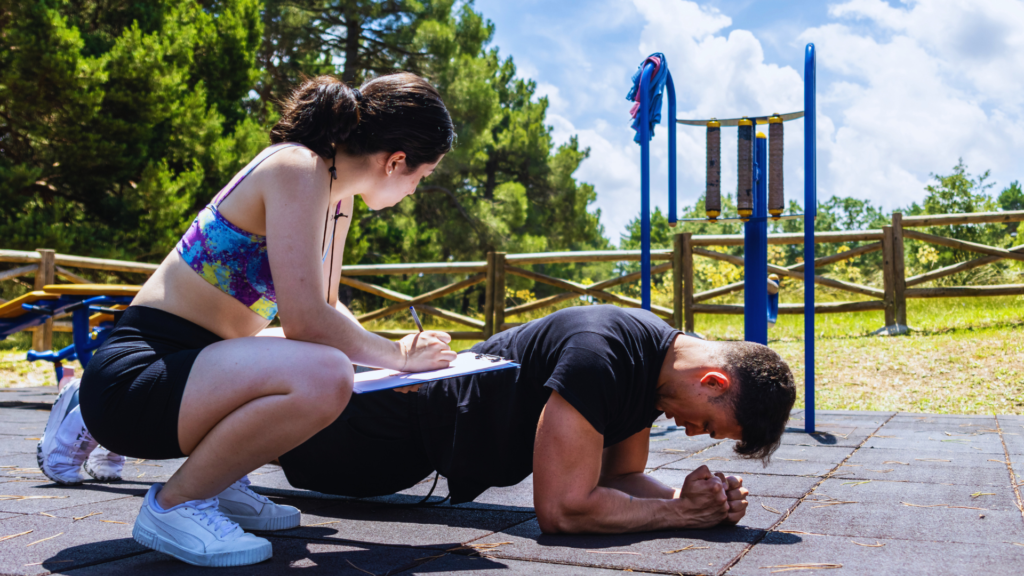
Maintaining activity and independence later in life depends largely on consistent physical movement, balanced nutrition, and staying socially engaged. Regular exercise tailored to individual abilities supports strength, flexibility, and overall health, which are crucial for independence.
In addition to physical care, fostering mental stimulation and building strong social connections helps sustain overall well-being. When combined, these habits form a foundation for living a self-reliant and active life as one ages.
Building an Active Lifestyle for Lasting Independence
Maintaining independence later in life depends on consistent physical activity tailored to individual preferences and abilities. Regular exercise supports mobility, strength, and overall quality of life. Integrating varied forms of movement keeps the body adaptable and resilient.
Choosing Enjoyable Physical Activities
Selecting activities that individuals enjoy increases consistency and motivation. Activities can range from gardening to dancing or group classes tailored for older adults.
Enjoyment often leads to regular participation, which is crucial. It also reduces the risk of injury by encouraging gentler, sustainable exercise routines. Careful consideration of personal interests ensures long-term engagement in physical activity.
Strength Training and Mobility Exercises
Strength training combats muscle loss associated with aging, improving balance and reducing the risk of falls. Simple weight-lifting, resistance bands, or body-weight exercises are effective.
Mobility exercises improve joint flexibility and range of motion. Stretching and controlled movements prevent stiffness and enhance daily function. A routine combining strength and mobility promotes independence by supporting basic tasks like climbing stairs or carrying groceries.
Incorporating Walking and Swimming
Walking is a low-impact, accessible form of cardiovascular exercise that supports heart health and leg strength. Encouraging at least 30 minutes daily improves stamina and mood.
Swimming provides full-body conditioning with minimal joint stress. It enhances cardiovascular fitness, muscle tone, and flexibility. Both activities are adaptable to different fitness levels, aiding in aging gracefully without overexertion.
Leveraging Yoga and Tai Chi
Yoga and Tai Chi improve balance, coordination, and mental focus. Their slow, deliberate movements enhance body awareness, reducing falls.
Both practices incorporate breathing techniques that support relaxation and stress reduction. They can be modified for varying abilities, making them suitable for maintaining mobility and independence through gentle, consistent physical activity.
Supporting Your Body and Mind
Maintaining physical health and mental sharpness is essential for independence later in life. This includes proper nutrition, staying hydrated, engaging the brain in diverse activities, and nurturing emotional and social health.
Balanced Diet and Proper Hydration
A balanced diet supports energy levels and body functions important for daily activities. It should emphasize lean proteins such as chicken, fish, or beans, which help maintain muscle mass and repair tissues.
Including whole grains like brown rice, oats, or quinoa provides steady energy through complex carbohydrates. Healthy fats from sources like olive oil, nuts, and avocados promote heart and brain health.
Proper hydration is critical. Drinking sufficient water—about 6 to 8 glasses daily—helps maintain energy, digestion, and temperature regulation. Dehydration can cause fatigue, dizziness, and confusion, increasing the risk of falls.
Mental Stimulation and Cognitive Health
Regular mental engagement is key to preserving cognitive function. Activities such as learning new skills, solving puzzles, or reading enhance brain plasticity and memory retention.
Diversifying mental challenges—crossword puzzles, language learning, or musical instruments—keeps different brain areas active. This variety supports problem-solving, attention, and reasoning.
Regular mental exercise reduces the risk of cognitive decline and can improve overall mental health. Scheduling daily or weekly brain activities encourages routine and ongoing cognitive fitness.
Mindfulness, Meditation, and Emotional Well-Being
Practicing mindfulness and meditation supports mental well-being through relaxation and stress reduction. Mindfulness meditation involves focused breathing and awareness of the present moment.
Daily mindfulness or relaxation techniques can lower anxiety, improve mood, and aid sleep. These practices promote emotional regulation and resilience against stressors common in aging.
Emotional well-being also depends on managing feelings and maintaining purpose. Incorporating short meditation sessions or guided relaxation is practical and effective.
Strengthening Social Connections
Strong social connections contribute to emotional and cognitive health. Regular interactions reduce feelings of isolation and support mental well-being.
Engaging with friends, family, or community groups through shared activities or volunteering maintains social bonds. These connections offer emotional support and encourage active lifestyles.
Building new friendships or joining clubs enhances social networks. Active participation in social settings directly correlates with improved mood and cognitive function.
Safety, Mobility, and Independence at Home
Maintaining mobility and safety at home is critical to staying independent as one ages. Simple adjustments and the right tools can reduce risks and support daily activity.
Preventing Falls in Everyday Life
Falls are a leading cause of injury among older adults. Removing tripping hazards like loose rugs and clutter from walkways significantly lowers fall risk. Regularly checking the flooring for uneven areas is also important.
Improving lighting in hallways and staircases helps with visibility. Wearing shoes with non-slip soles indoors supports stable footing. Increasing bone density through weight-bearing exercise reduces the severity of injuries if a fall does occur.
Keeping a fitness tracker to monitor activity levels can alert individuals and caregivers to changes in mobility that increase fall risk.
Using Walking Aids and Assistive Technology
Canes and walkers provide essential support for balance and stability. Selecting the right walking aid depends on individual strength and mobility needs. A physical therapist can help with proper fit and usage training.
Grab bars in bathrooms and near stairs add secure handholds for safer movement. Some modern devices include smart sensors that notify caregivers if a fall occurs.
Regular maintenance of walking aids ensures they remain safe and effective. Using a walker with wheels can assist those with reduced endurance for longer mobility.
Optimizing Your Home Environment
Arranging furniture to create clear pathways supports easier, safer navigation. Installing grab bars near toilets, tubs, and beds gives additional stability during transfers.
Non-slip mats in the bathroom and kitchen prevent slipping on wet surfaces. Storing frequently used items within easy reach reduces the need for climbing or stretching.
Advanced options include automated lighting triggered by motion sensors to illuminate paths at night. Wider doorways accommodate mobility aids, such as walkers or wheelchairs.
Simple environmental changes help maintain independence by reducing mobility challenges and injury risks.
Proactive Health and Planning for the Future
Maintaining health and financial security supports ongoing independence and quality of life as people age. Regular monitoring, managing chronic illnesses, and planning retirement all play crucial roles in preparing for later years.
Routine Health Screenings and Checkups
Regular health screenings help detect issues like high blood pressure and diabetes early, allowing for timely treatment. A schedule that includes annual blood pressure checks and glucose testing is important for those over 50.
Doctors also recommend screenings for cholesterol, vision, hearing, and cancer based on age and risk factors. Keeping a record of these results assists in tracking changes and adjusting care plans accordingly.
Physical exams should focus on mobility, balance, and cognitive function to identify any decline before it affects independence.
Managing Chronic Conditions
Proper management of chronic conditions such as diabetes and hypertension is key to maintaining health. Following prescribed medication regimens and lifestyle changes like diet and exercise helps control symptoms and prevent complications.
Regular communication with healthcare providers ensures conditions remain stable and treatments are updated as needed. Monitoring blood sugar and blood pressure at home supports this continuous care.
Implementing strategies to reduce stress and maintain mental health also contributes to managing chronic illnesses effectively over time.
Retirement and Financial Planning
A solid financial plan provides stability and supports healthcare and lifestyle needs in older age. Retirement planning should include estimated costs for housing, medical care, and potential long-term care services.
They should assess savings, pensions, and insurance to cover essential expenses. Consulting with a financial advisor can help optimize asset allocation and income streams.
Planning ahead allows individuals to make informed decisions that preserve independence and maintain their desired quality of life during aging.