
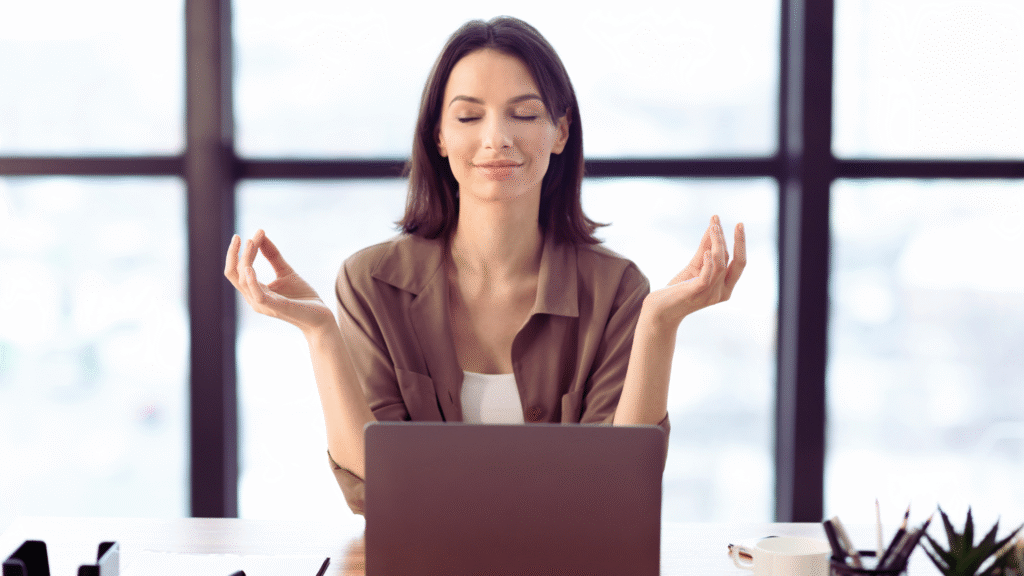
Many individuals experience anxiety in various forms, impacting their daily lives and overall well-being. Holistic approaches to managing anxiety focus on the whole person, incorporating physical, emotional, and mental health strategies. These techniques aim not only to alleviate symptoms but also to promote long-term resilience.
Mindfulness practices, such as meditation and yoga, can help calm the mind and body. Additionally, nutrition and exercise play significant roles in reducing anxiety levels. Exploring these interconnected strategies allows individuals to find personalized methods that work for them.
Integrating various approaches can create a comprehensive plan for managing anxiety. By considering the individual’s unique circumstances and preferences, holistic methods provide a pathway to achieve balance and peace.
Foundations of Holistic Anxiety Management
Holistic anxiety management incorporates various perspectives and practices. It emphasizes the importance of recognizing the interconnectedness of the mind, body, and emotional health in addressing anxiety.
Understanding Anxiety from a Holistic Perspective
Anxiety manifests not only as a mental challenge but also influences physical health and emotional well-being. Viewing anxiety through a holistic lens means acknowledging how thoughts, bodily sensations, and emotions interplay.
Key Considerations:
- Mental Well-Being: Anxiety can lead to racing thoughts and persistent worry, affecting decision-making.
- Physical Manifestations: Symptoms often include increased heart rate, fatigue, and muscle tension, which frequently require attention.
- Emotional Responses: Feelings of fear or panic can lead to avoidance behaviors, isolating individuals further.
Recognizing these elements helps in developing effective coping strategies.
Identifying Common Triggers and Stressors
Understanding what triggers anxiety is crucial for management. Triggers can vary significantly from person to person, making individual assessment essential.
Common Triggers Include:
- Work-related Stress: Tight deadlines or interpersonal conflicts can elevate anxiety levels.
- Life Changes: Transitions such as moving, job changes, or relationship shifts may introduce new stressors.
- Environmental Factors: Noise, crowding, and even weather changes can provoke discomfort.
Identifying personal triggers allows for tailored stress management plans.
Balancing Mind, Body, and Emotional Well-Being
A balanced approach to anxiety management includes practices that address all facets of the individual. Strategies might include:
- Mindfulness and Meditation: These practices can foster mental clarity and reduce anxiety symptoms through present-moment awareness.
- Physical Activity: Exercise releases endorphins that naturally alleviate stress and improve mood.
- Emotional Support: Building a network of supportive relationships can enhance emotional resilience.
An integrated approach encourages individuals to cultivate a lifestyle that promotes harmony among mental, physical, and emotional health.
Mind-Body Techniques for Managing Anxiety
Mind-body techniques are effective tools for managing anxiety. They connect physical practices with mental relaxation, enhancing emotional well-being and fostering resilience against stress.
Meditation and Mindfulness Practices
Meditation and mindfulness practices focus on the present moment. They encourage awareness of thoughts and feelings without judgment. Regular meditation can reduce symptoms of anxiety by promoting a state of calm and relaxation.
Research shows that mindfulness meditation increases the production of endorphins, which help improve one’s mood. Techniques such as body scans and loving-kindness meditation can enhance self-compassion and emotional resilience. Practitioners often experience a greater sense of control over their thoughts, leading to reduced anxiety levels.
Yoga and Gentle Exercise
Yoga combines physical postures, breathing techniques, and meditation. This holistic approach not only improves flexibility and strength but also promotes better mental health. Specific styles like Hatha or Yin offer gentler movements, making them accessible to various fitness levels.
Engaging in yoga can trigger the release of endorphins, fostering an uplifted mood. Gentle exercise, such as walking or stretching, can also alleviate anxiety by stimulating relaxation responses in the body. Participants often report enhanced energy levels and a greater sense of calm.
Breathing Exercises and Relaxation Methods
Breathing exercises are powerful tools to combat anxiety. Techniques such as diaphragmatic breathing or the 4-7-8 method help regulate the body’s response to stress. By focusing on breath, individuals can lower their heart rates and induce a relaxation response.
Incorporating progressive muscle relaxation further enhances these benefits. This method involves tensing and relaxing different muscle groups, providing both physical and mental relief. These practices can be easily integrated into daily routines, allowing for accessible anxiety management.
The Role of Guided Imagery
Guided imagery involves visualizing calming scenes or situations. It is often led by an instructor or accessed via recordings. This technique helps redirect focus away from anxiety triggers, evoking a sense of peace and relaxation.
Research indicates that guided imagery can reduce anxiety by engaging the imagination in tranquil environments. Regular sessions may lead to improvements in mental health and emotional balance. Participants often report feeling more grounded and equipped to handle stressors in their lives.
Nutritional and Natural Support for Anxiety
Nutritional and natural strategies can play a vital role in managing anxiety. This section explores essential nutrients, herbal remedies, and the significance of gut health to provide a comprehensive understanding of how dietary choices affect anxiety levels.
Key Nutrients and Diet Considerations
Certain nutrients are crucial in the management of anxiety. Omega-3 fatty acids, found in fish like salmon and walnuts, have shown potential in reducing symptoms.
Magnesium is another important mineral, often associated with calming effects. Foods rich in magnesium include leafy greens, nuts, and whole grains.
B vitamins, especially B6 and B12, support nerve function and can help regulate mood. A balanced diet featuring a variety of fruits, vegetables, and whole foods can provide these nutrients, helping sustain mental well-being.
Herbal Remedies and Supplements
Herbal remedies offer additional support for anxiety management. Adaptogens like ashwagandha and rhodiola are known to help the body adapt to stress.
Kava, particularly high-quality varieties like Vanuatu Kelai Kava, is another herb recognized for its calming effects. When sourced from reputable suppliers and used at recommended dosages, kava can be an effective natural option for promoting relaxation.
Incorporating these herbs can enhance relaxation, but consulting with a healthcare provider before starting any new supplement is advisable. The effectiveness of these remedies often depends on individual responses and proper usage.
Modern options also make it easier to use these traditional plants during a busy day. Many people now choose a noble kava drink, for instance, because it is simple to prepare and fits into a daily routine.
These preparations often come in portable formats that mix quickly with water. This method is a way to find calm during a stressful work day or a social event. It is a practical choice for those who want the benefits of kava without a long preparation process.
The Impact of Gut Health and Probiotics
Gut health significantly influences mental health through the gut-brain axis. A diverse gut microbiome can impact neurotransmitter production, affecting mood and anxiety levels.
Probiotics, found in foods like yogurt and fermented vegetables, support gut health. They may help reduce inflammation and enhance overall brain function.
Research suggests that increasing fiber intake also benefits gut microbiota, which can further enhance mental health. A diet rich in fiber, including fruits, vegetables, and whole grains, supports a healthier gut, ultimately playing a role in anxiety management.
Integrative Therapies and Lifestyle Strategies
Integrative therapies and lifestyle strategies offer diverse methods for managing anxiety through emotional support and physical practices. These approaches focus on enhancing mental well-being while addressing the body’s physical needs.
Therapeutic Practices and Emotional Support
Therapeutic practices provide vital emotional support to individuals struggling with anxiety. Cognitive-behavioral therapy (CBT) helps individuals reframe negative thought patterns, promoting healthier responses to stress. Group therapy can foster connections and reduce feelings of isolation.
Emotional support from trained professionals can enhance the therapeutic experience. Support networks, whether through friends, family, or support groups, create a safe space for expressing feelings. These connections are instrumental in reducing anxiety levels and improving overall mental health.
Aromatherapy, Essential Oils, and Sensory Approaches
Aromatherapy involves using essential oils to promote relaxation and emotional balance. Oils such as lavender are particularly noted for their calming properties, which can help reduce symptoms of anxiety. Inhaling these scents can influence neurotransmitter activity in the brain, leading to lower stress levels.
Incorporating scents into everyday life can be simple. Using essential oils in diffusers, baths, or massages can enhance their effects. As individuals engage with different sensory experiences, they may discover new ways to alleviate anxiety and improve mood.
Body-Based Therapies: Massage and Hydrotherapy
Massage therapy offers relaxation benefits by reducing muscle tension and lowering cortisol levels. Regular sessions can improve circulation and decrease anxiety symptoms by triggering the body’s relaxation response. Techniques such as Swedish or deep tissue massage cater to individual preferences and needs.
Hydrotherapy, using water for therapeutic purposes, can also be effective. Warm baths and water-based exercises help relax the mind and body, leading to better sleep quality and reduced anxiety. Both therapies can be integral in an overall integrative approach to mental health.
Movement Practices: Tai Chi and Beyond
Movement practices, such as Tai Chi, use gentle, flowing movements to promote physical and mental well-being. This ancient martial art can reduce stress and anxiety through its meditative qualities. Participants often experience improvements in emotional regulation and muscle relaxation.
In addition to Tai Chi, other forms of movement, like yoga or walking, can enhance mental clarity. Engaging in regular physical activity releases endorphins, which positively affect mood and lower anxiety levels. Incorporating movement into a daily routine establishes a foundation for emotional resilience.