
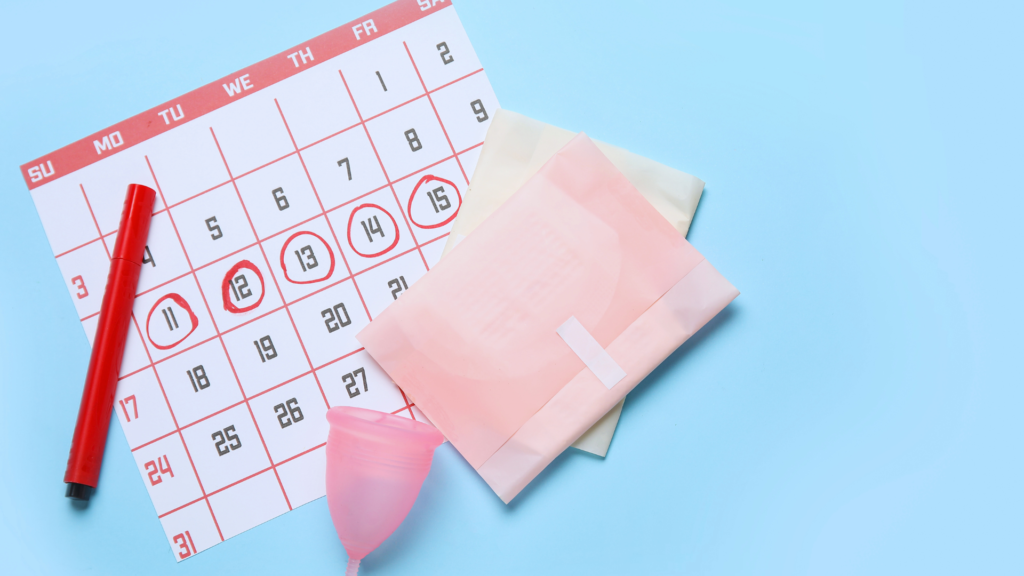
Many people experience fluctuations in energy levels during menstruation, impacting daily routines and overall well-being. Proper management of energy is possible by paying attention to nutrition, hydration, rest, and activity adjustments.
The key to managing energy during menstruation is balancing rest with gentle movement while supporting the body with nutritious food and adequate fluids. This approach helps reduce fatigue and maintain more consistent energy throughout the cycle.
Understanding these practical strategies encourages a smoother experience and empowers individuals to take control over their menstrual health without unnecessary strain.
Understanding Energy Levels Throughout the Menstrual Cycle
Energy levels during menstruation vary due to complex hormonal changes and different cycle phases. These fluctuations also interact with mood shifts and physical symptoms that can affect daily activities and fatigue.
Hormonal Fluctuations and Energy
Estrogen and progesterone rise and fall throughout the menstrual cycle, directly influencing energy. Estrogen, which peaks before ovulation, tends to boost energy and mood.
After ovulation, progesterone increases, which can promote relaxation but also cause fatigue. Low estrogen and progesterone during menstruation may lead to decreased energy and tiredness.
These hormonal fluctuations affect metabolism and neurotransmitters, explaining the changes in alertness and stamina. Managing energy requires understanding how these hormones impact physical and mental states.
Phases of the Menstrual Cycle and Energy Patterns
The menstrual cycle consists of four main phases: menstrual, follicular, ovulation, and luteal. Energy is often lowest during the menstrual phase due to hormonal drops and blood loss.
During the follicular phase, rising estrogen supports increased vitality. Energy usually peaks around ovulation when estrogen is highest.
In the luteal phase, higher progesterone can cause sluggishness and contribute to fatigue. Women may notice a decrease in endurance and focus during this time, especially closer to menstruation.
Impact of PMS and Mood on Fatigue
Premenstrual syndrome (PMS) includes symptoms like irritability, anxiety, and depression that affect energy. Mood swings linked to hormonal changes increase perceived fatigue.
Fatigue during PMS can be worsened by poor sleep, cramps, and discomfort. Emotional stress from mood changes further drains energy reserves.
Understanding the relationship between mood and hormonal cycles can help manage fatigue by addressing both physical and psychological factors.
Nutrition Strategies to Combat Fatigue
Managing energy during menstruation requires targeted nutrition to support changing bodily needs. Eating nutrient-dense foods, balancing cravings with healthy options, and focusing on iron and protein intake can help reduce fatigue and maintain steady energy levels.
Essential Nutrients for Each Cycle Phase
Nutrient needs shift across menstrual cycle phases. During the follicular phase, increasing intake of complex carbohydrates such as whole grains supports rising energy demands.
In the luteal phase, magnesium and B vitamins become more important to combat fatigue and mood swings. Foods like spinach, kale, and legumes provide these nutrients.
During menstruation, prioritizing iron-rich foods is essential to replenish losses. Staying hydrated and maintaining balanced electrolytes also helps with energy and cramps.
Balancing Cravings and Healthy Snacks
Cravings often intensify as hormonal levels fluctuate. Instead of high-sugar, low-nutrient options, choosing nutrient-rich snacks can stabilize blood sugar.
Examples include:
- Avocado with whole-grain crackers
- Greek yogurt with nuts
- Lentil-based savory snacks
These options provide fiber, protein, and healthy fats that reduce energy dips. Planning ahead for snacks prevents overeating and supports sustained energy throughout the day.
Iron-Rich Foods for Menstrual Support
Iron loss during menstruation can cause fatigue. Consuming heme iron sources like red meat improves iron absorption more effectively than plant-based iron alone.
To maximize iron uptake, pair iron-rich foods with vitamin C-rich vegetables such as bell peppers or kale. Plant-based options like lentils and spinach contribute non-heme iron but require such pairing.
Regular consumption of these foods during and after menstruation supports red blood cell production and combats anemia-related tiredness.
Role of Protein and Healthy Fats
Protein helps maintain muscle mass and supports steady energy. Lean proteins such as chicken, fish, lentils, and tofu should be included daily.
Healthy fats from sources like avocado, nuts, and olive oil promote hormone balance. These fats aid in nutrient absorption and provide lasting energy without blood sugar spikes.
Incorporating both protein and healthy fats into meals helps prevent mid-cycle energy crashes and supports overall vitality during menstruation.
Physical Activity and Lifestyle Adjustments
Managing energy during menstruation involves adjusting exercise intensity, prioritizing restful sleep, and incorporating gentle movement. These approaches help reduce fatigue, cramping and support overall well-being.
Adapting Exercise To Menstrual Phases
Exercise intensity should vary with menstrual phases. During menstruation, moderate exercise like walking or light cycling is preferable to avoid worsening cramps or fatigue. Heavy strength training may increase discomfort and should be limited.
In the follicular phase, energy typically rises, allowing for more intense workouts, including strength training. The luteal phase may bring lower energy and higher fatigue, so lighter activities or rest might be necessary. Listening to the body’s signals is essential for balancing activity and recovery.
Importance of Rest and Sleep
Rest and quality sleep are critical for managing energy during menstruation. Hormonal fluctuations can impair sleep patterns, increasing fatigue. Prioritizing 7-9 hours of uninterrupted sleep helps the body recover.
Naps can be beneficial if nighttime sleep is disrupted. A consistent sleep schedule and a calm bedtime routine support hormone balance and reduce cramping intensity. Avoiding stimulants like caffeine in the afternoon also promotes better rest.
Gentle Practices: Yoga and Stretching
Yoga and stretching are effective for relieving cramping and improving energy without overexertion. Specific yoga poses targeting the lower back and abdomen reduce muscle tension and improve circulation.
Practices focusing on breath control can decrease stress and promote relaxation. Gentle stretching before and after activities maintains flexibility and eases menstrual discomfort. Incorporating yoga 2-3 times weekly can support consistent energy management during periods.
Long-Term Self-Care and Cycle Tracking Tips
Managing energy during menstruation benefits from consistent attention to patterns in energy shifts and hormonal changes. Establishing habits aligned with the menstrual cycle phases supports steady well-being and early identification of unusual symptoms.
Monitoring Energy Fluctuations
Tracking daily energy levels alongside menstrual cycle phases helps recognize predictable patterns. Energy often dips during the menstrual phase due to lower estrogen and progesterone levels, while the follicular phase typically brings increased vitality.
Using apps or journals to log mood, fatigue, and physical symptoms can clarify how hormone fluctuations impact energy. Noting variations in PMS symptoms supports personalized adjustments in sleep, nutrition, and activity. Consistent monitoring over several cycles provides a clearer picture, critical for effective self-care.
Building Sustainable Habits
Adopting habits that align with changing energy needs reduces strain. During low-energy days in the menstrual phase, prioritizing rest and gentle activities helps avoid exhaustion. The luteal phase requires more balanced nutrition and stress management to counteract PMS-related fatigue.
Scheduling exercise during higher-energy phases, such as the follicular phase, maximizes benefits. Hydration and balanced meals rich in iron and B vitamins support gradual energy replenishment. Consistency in sleep schedules throughout the cycle maintains hormonal balance and energy stability.
When To Seek Medical Advice
Persistent extreme fatigue or sudden changes in energy levels may indicate underlying conditions such as anemia, thyroid disorders, or hormonal imbalances. Significant interference with daily activities for multiple cycles warrants professional evaluation.
Symptoms like heavy bleeding, severe PMS, or irregular cycles accompanied by energy loss should prompt consulting a healthcare provider. Early medical advice can diagnose treatable conditions and refine self-care strategies tied to the menstrual cycle.