
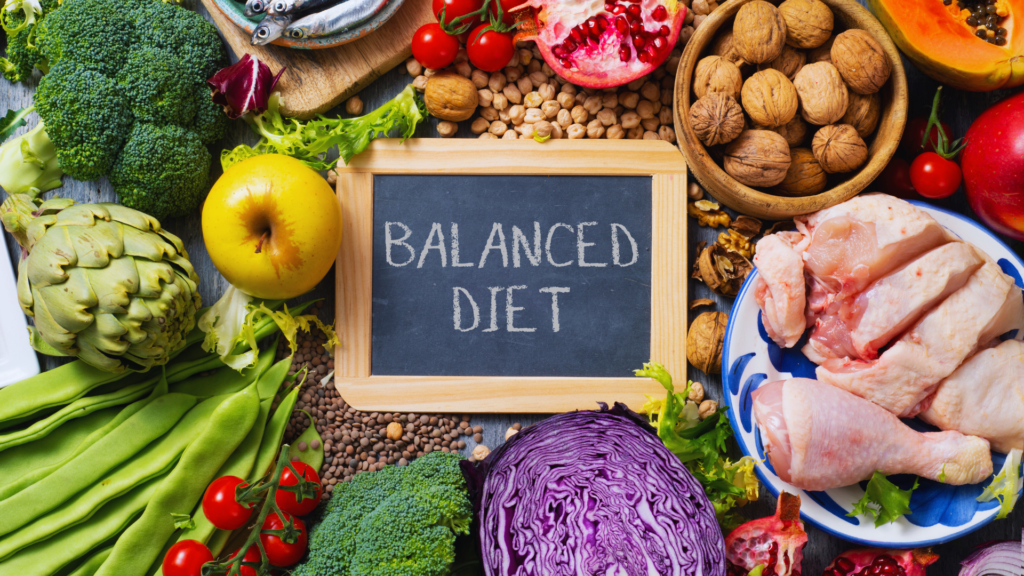
Building a balanced diet doesn’t have to be complicated or overwhelming. Many believe they need to follow strict rules or count every calorie, but simplicity is key. A balanced diet can be achieved by focusing on portion control and including a variety of whole foods from all major food groups.
It involves eating enough fruits, vegetables, proteins, grains, and fats without stressing over complex meal plans or expensive ingredients. By understanding basic nutritional needs, anyone can make smarter food choices that support health and energy.
This approach saves time and reduces confusion, making it easier to maintain healthy eating habits in the long term. The goal is a practical and sustainable balance, not perfection.
Core Principles Of A Balanced Diet
A balanced diet includes a variety of foods, focuses on appropriate portion sizes, and delivers essential nutrients. It supports health by providing energy and maintaining bodily functions without excess or deficit.
Major Food Groups To Include
A balanced diet features five major food groups: vegetables, fruits, grains, protein sources, and dairy or dairy alternatives. Vegetables and fruits should cover half the plate, supplying fiber, vitamins, and antioxidants.
Grains, preferably whole grains like brown rice or whole wheat, provide complex carbohydrates for sustained energy. Protein sources include lean meats, fish, beans, and nuts, essential for muscle repair and immune function.
Dairy or fortified alternatives supply calcium and vitamin D for bone health. Incorporating a variety from these groups ensures a broad range of nutrients and reduces the risk of deficiencies.
Portion Control Made Simple
Portion control prevents overeating while ensuring enough nutrients. Using visual cues can simplify this: a serving of protein should be about the size of a deck of cards, and grains roughly the size of a fist.
Vegetables and fruits can be consumed more liberally, about half the meal. Measuring tools or smaller plates help regulate quantity without rigorous calorie counting.
Balanced meals split into plates that are 50% vegetables/fruits, 25% protein, and 25% grains make portion control manageable and effective.
Key Nutrients Your Body Needs
Key nutrients include carbohydrates, proteins, fats, vitamins, minerals, and water. Carbohydrates are the primary energy source, ideally from whole grains and vegetables.
Proteins provide amino acids critical for tissue repair. Healthy fats, such as omega-3 and unsaturated fats from fish and nuts, support brain function and heart health.
Vitamins like A, C, D, and minerals, including calcium, iron, and potassium, are crucial for immune support and metabolic processes. Hydration with plain water is fundamental to nutrient transport and cellular function.
Practical Steps To Build Balanced Meals
Building balanced meals involves simple planning techniques, visual portion control, and combining food groups effectively. These approaches help create meals that provide necessary nutrients without confusion or extra effort.
Easy Meal Planning Strategies
He or she can start by choosing a few staple ingredients to reuse throughout the week. Selecting versatile proteins like chicken, lentils, or tofu allows for varied dishes without buying many different items.
Planning meals around vegetables first ensures fiber and vitamins are included daily. Preparing ingredients ahead, such as washing greens or cooking grains, saves time and supports healthier choices.
Using a weekly checklist with protein, vegetable, and grain categories can streamline grocery shopping and reduce impulse buys. This approach helps maintain balance and consistency.
Balanced Plate Method
The Balanced Plate Method splits the plate into sections for specific food groups. Half the plate should be filled with vegetables and fruits for vitamins and fiber.
One quarter contains lean protein, such as fish, beans, or chicken, to support muscle repair. The last quarter holds whole grains like brown rice or quinoa for energy.
Adding a small portion of healthy fats, such as olive oil or avocado, completes the plate. This visual guide simplifies portion control and promotes nutrient diversity.
Sample Meal Combinations
For breakfast, a bowl with oatmeal topped with berries and a spoon of almond butter offers fiber, antioxidants, and healthy fats. Add a boiled egg for protein.
Lunch could include a grilled chicken breast, steamed broccoli, and a quinoa side. A drizzle of olive oil enhances flavor and fats.
Dinner might be a lentil stew with carrots and spinach served over brown rice. This meal combines protein, vegetables, and grains efficiently.
Maintaining Balance Without Overcomplicating
A balanced diet can be achieved with practical steps that fit into everyday life. Focusing on straightforward habits helps maintain nutrition without stress.
Simplifying Grocery Shopping
Choosing a consistent list of versatile staples reduces decision fatigue. Items like whole grains, lean proteins, fresh vegetables, and fruits form the core of balanced meals.
Planning ahead by grouping items by category—produce, protein, dairy—speeds up shopping trips. Using a shopping list app or reusable notes can prevent impulse buys and forgotten essentials.
Buying in bulk or family-sized portions for non-perishables also cuts down repeat visits. Prioritizing seasonal produce ensures freshness and nutrition while keeping costs manageable.
Time-Saving Meal Prep Tips
Batch cooking proteins such as chicken, beans, or tofu allows quick meal assembly throughout the week. Pre-washing and chopping vegetables on one day saves time on busy evenings.
Using simple cooking methods like roasting, steaming, or stir-frying keeps preparation quick and healthy. Investing in kitchen tools like slow cookers or instant pots can further reduce hands-on time.
Storing meals in portioned containers encourages appropriate serving sizes and reduces food waste. Reheating pre-prepped meals is efficient for maintaining consistent nutrition without extra effort.
Flexible Approaches To Eating Out
Choosing dishes that contain a balance of protein, vegetables, and whole grains keeps meals aligned with dietary goals. Swapping fries for salad or steamed veggies increases nutrient intake.
Asking for dressings and sauces on the side controls added fats and sugars. Opting for grilled, baked, or steamed options instead of fried ones reduces unnecessary calories.
Portion control can be managed by sharing meals or boxing half immediately to avoid overeating. Selecting restaurants with clear menu information helps make informed choices quickly.