
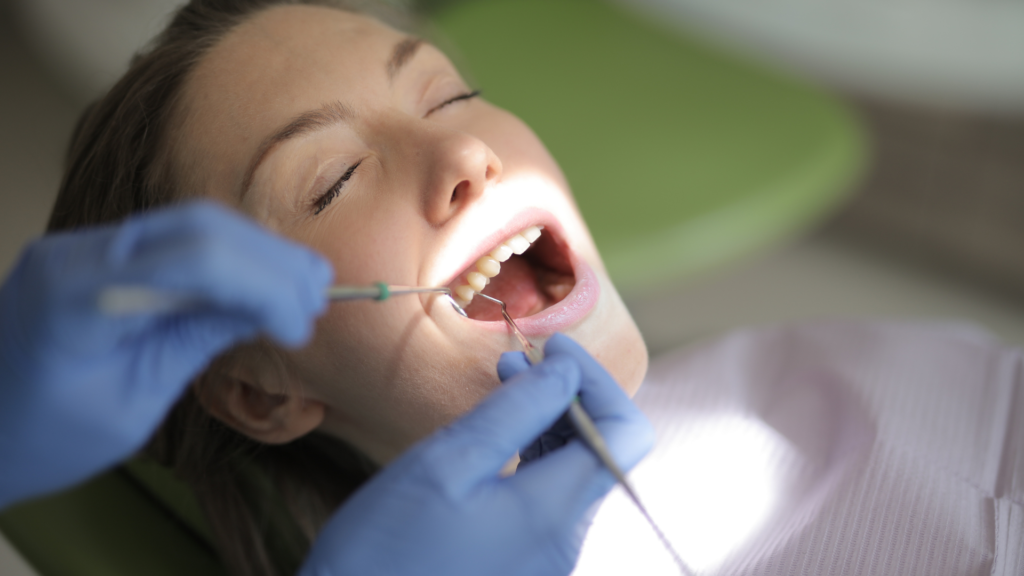
Have you ever wondered if your teeth might be revealing more than just your brushing habits? They’re not just for chewing or flashing a confident smile-they hold surprising insights into your overall health. Your dentist isn’t just checking for cavities or plaque during your appointment. They’re also looking for signs that could hint at underlying health conditions. Let’s explore what your teeth and gums can tell about the bigger picture of your well-being.
Why Your Mouth Is a Window to Your Health
Your mouth is connected to the rest of your body in more ways than you might think. Gum health, tooth strength, and even your saliva can all reflect what’s happening internally. Conditions like diabetes, heart disease, or even nutritional deficiencies often show early signs in the mouth before symptoms arise elsewhere.
A Mandurah dentist who knows what to look for can pick up these clues during a routine check-up, giving you an early heads-up. And we’re not just talking about rare conditions-many common health issues leave their fingerprints on your oral health.
Your Gums and Inflammation
Do your gums bleed when you brush or floss? This might seem like a minor issue, but it could point to something more serious. Gum disease, or periodontal disease, is closely linked to systemic inflammation in the body. Chronic inflammation has been associated with conditions like:
- Diabetes – Inflamed gums can be both a symptom and a complication of poorly managed blood sugar.
- Heart disease – The bacteria from gum infections can enter the bloodstream, potentially contributing to heart problems.
- Rheumatoid arthritis – Some studies have found a connection between gum disease and this autoimmune condition.
If your dentist mentions gum inflammation, they’re not just talking about your flossing routine. They might be encouraging you to take a closer look at your overall health.
Enamel and Nutritional Deficiencies
Your tooth enamel is the hardest substance in your body, but it’s not indestructible. Enamel erosion or discolouration can signal nutritional gaps. For instance:
- A lack of calcium or vitamin D can weaken teeth, making them more prone to decay.
- White spots on your enamel might hint at fluorosis, often caused by too much fluoride during childhood.
- Brittle or weak teeth can sometimes point to an eating disorder or a lack of essential nutrients like magnesium.
A dentist spotting these changes might recommend dietary adjustments or suggest further medical checks to ensure nothing is amiss. Looking for expert smile enhancement in Philadelphia or other areas can also help tackle these issues.
Oral Health and Stress
Life can be stressful, and your teeth often bear the brunt of it. Grinding your teeth at night (bruxism) or clenching your jaw might not seem like a big deal, but they’re often signs of chronic stress or anxiety. Over time, this can lead to:
- Cracked or chipped teeth.
- Jaw pain or TMJ disorders.
- Tooth sensitivity due to enamel wear.
Your dentist might suggest a mouthguard to protect your teeth, but they may also encourage you to find ways to manage stress-whether through relaxation techniques, better sleep habits, or speaking to a healthcare professional.
Dry Mouth and Medications
Ever feel like your mouth is as dry as the desert? While dry mouth is often caused by dehydration, it can also be linked to certain medications or health conditions. Saliva plays a critical role in washing away food particles and protecting your teeth from decay. If your dentist notices signs of dry mouth, they might ask about:
- Medications for allergies, depression, or high blood pressure that often cause reduced saliva.
- Conditions like Sjogren’s syndrome, an autoimmune disorder that affects moisture production.
- Lifestyle factors, such as smoking or excessive caffeine consumption.
Addressing dry mouth can prevent tooth decay and gum problems from becoming more serious down the line.
Spots, Sores, and Oral Cancer Screening
A Dental Clinic Memphis or ones in other areas are often the first to notice unusual changes in your mouth that could indicate oral cancer. If they see persistent sores, red or white patches, or lumps that don’t heal, they’ll likely refer you for further examination. Early detection is crucial for effective treatment.
It’s worth remembering that regular dental check-ups aren’t just about maintaining a perfect smile-they can genuinely save lives.
How to Keep Your Mouth (and Body) in Check
Maintaining a healthy mouth isn’t just about brushing twice a day-though that’s an excellent start. It’s about keeping an eye on your overall health and addressing potential issues early. For instance, if your teeth are misaligned or overcrowded, it can make proper cleaning difficult and increase the risk of gum disease and decay. In cases like these, scheduling a visit to a premier Invisalign practice Beverly Hills, or elsewhere, can help address such concerns. Proactive steps like this can make a significant difference in maintaining both oral and overall health. Here are a few practical tips:
- Stick to regular dental check-ups – Even if your teeth feel fine, seeing your dentist regularly can catch hidden problems. You might want to look into options for san diego comprehensive dental care or similar services in your local area, can make a real difference in spotting early signs of broader health concerns.
- Be honest about your health history – Don’t hold back when filling out those health forms. Your dentist uses this information to spot connections between your oral and overall health.
- Eat a balanced diet – Include plenty of calcium, vitamin D, and other essential nutrients to support strong teeth.
- Manage stress – Find techniques that work for you to reduce jaw clenching and teeth grinding.
- Stay hydrated – Drink plenty of water to keep your mouth moist and reduce the risk of decay.
By taking care of your teeth and gums, you’re also giving your overall health a helping hand.
A Lot More Than Just Teeth
Your dentist does much more than just polish your pearly whites. They’re like detectives, spotting health clues that might otherwise go unnoticed. So, the next time you sit in the dentist’s chair, remember-it’s not just about cavities or fillings. It’s an opportunity to gain insights into your overall health.
By taking care of your teeth and keeping up with regular check-ups, you’re not only protecting your smile but also investing in your long-term well-being. After all, a healthy mouth is often the first step to a healthy body.